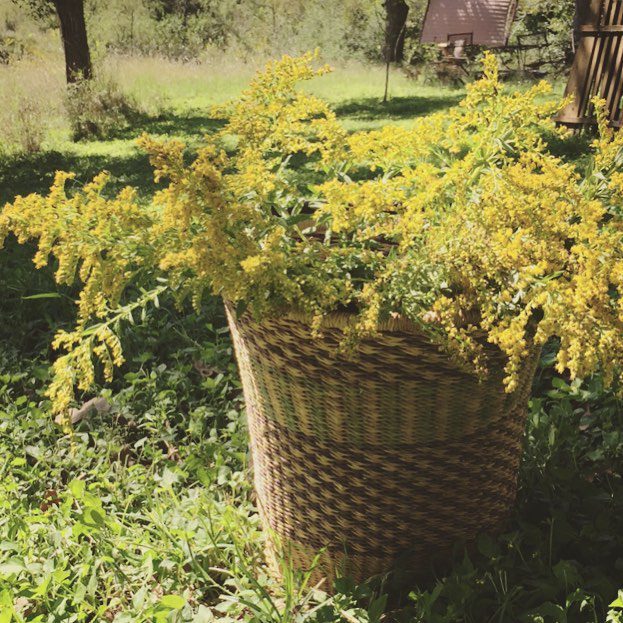
The idea of wild-crafting involves the gathering of plant material out of wild, and sometimes not-so-wild spaces.
Wildcrafting ethics are as varied as the people teaching. When someone hears the term, many would assume that wildcrafted means that the plants were taken in an ethical and responsible way. That is not necessarily true. To get the most out of a wildcrafting class, approach the experience with curiosity, patience, and humility. When you put yourself into the hands of Mother Nature, the result of your adventure isn’t as important as the journey.
As part of your path as a herbalist, seek out instructors who align with your own ethics, and have a deep understanding of both plants and the local area. What you learn in a wildcrafting course can be variable and will include knowledge from the instructor, who may or may not be in alignment with your own values. Ask questions!
Wildcrafting has been a practice throughout human history to supplement what couldn’t be grown in gardens. The first grocery store didn’t open until 1916 and before that, visiting local farmers markets, having a garden, and foraging, were daily activities (depending on where you lived). In the U.S. by the 1950s, foraging herbal medicine had almost been eradicated through a new push to use synthetically derived pharmaceuticals. Fortunately, traditional healers and a few modern herbalists survived this period, and we were able to preserve some lineage-based and folk traditions.
The “back-to-the-land” movement and rise of natural living in the 60s and 70s saw a rekindling of interest in these ancient practices in the U.S. Some folk practitioners, and those in certain counter cultures, not only preserved traditions, but began to revive these practices in popular Western culture. After a few decades of what some called “herbal outlaws” and “hippies” dedicated themselves to a revival of wild harvesting and wild harvested extracts. By the early 2000s, the internet and social media brought this practice to the forefront in a more popularized way. Even more recently, wildcrafting and foraging groups now exist, where gathering from the wild is both trendy and popular in many social circles. Many businesses have emerged selling wildcrafted wares and medicinal remedies straight from the wild.
With this new popularity, comes both positive and negative impacts. Some traditional healers from indigenous tribes feel strongly that uninvited guests on these lands should tread with care and that taking from the wild is shortsighted and not welcomed. Others feel that connecting to wild spaces by foraging and showing value in land that can preserve wildland, is imperative in order to have public land protected and saved for things other than pulling trees out for lumber, or grazing cattle. Showing value in the land from medicinal and edible plants may actually help protect it. There is no right or wrong answer to this, instead I encourage thoughtfulness, and considering that there are many perspectives besides our own. To be in right relationship with the land, we must keep ourselves open to all perspectives with the main intention being protection and stewardship.
How to Forage for Plant Medicine
One of the most important parts of gathering wild plants, is making sure to have correct identification. It is important to not only be able to properly identify through a botanical key what you are looking for, but know how it changes throughout the seasons, and what sort of relationships the plant you are looking for has with other plants. Spend extra time making sure you know how to identify the plant in question. Is it the right time of year to harvest? Is anything growing near it that is sensitive that could be impacted?
A good understanding of the therapeutic aspects of the plant is also key to making strong extracts. What does the plant in question contain as far as medicinal constituents? How are those best extracted? Is there anything else relying on the plant stand besides you?
How does this medicine play it’s part of the wildland as a whole and what sort of relationships does it have in the complex web of life of the area you are visiting?
Harvesting without accurate identification and understanding of the plant in its community is not recommended. You can cause harm to yourself and others by harvesting toxic lookalikes, or even damage stands so that the forest, desert, or prairie, has to repair itself.
Proper Identification
You must be 100% sure of the plant you are looking at before harvesting. Many herbalists will spend years in the field learning to identify plants through field guides, dichotomous keys, and more. Using your phone is not sufficient. You must be able to cross reference your plant 3 different ways before deciding. Using your phone is 1 of those ways. Many plants have look-alikes that may grow near one another, and some may be toxic.
Remember: There is no way to gauge if a plant is toxic just by how it looks or makes you feel.
Where to Go Wildcrafting
While this course will teach you how to locate and harvest some wild edibles, what is even more exciting is the joy of finding your own personal spots. You may spend several days “scouting” an area until you find the right place. Much like mushroom spots, you may want to keep the spot private. As soon as you begin to share your spaces you become a teacher. Are you prepared to make sure whomever you teach is properly instructed in both plant ID, medicinal aspects of plants, and that they share your ethics? The spots you may be taken to are examples, they are meant to encourage you to find your own. Can you imagine with the locations would look like if all students went back to the same ones over and over and took all of their friends?
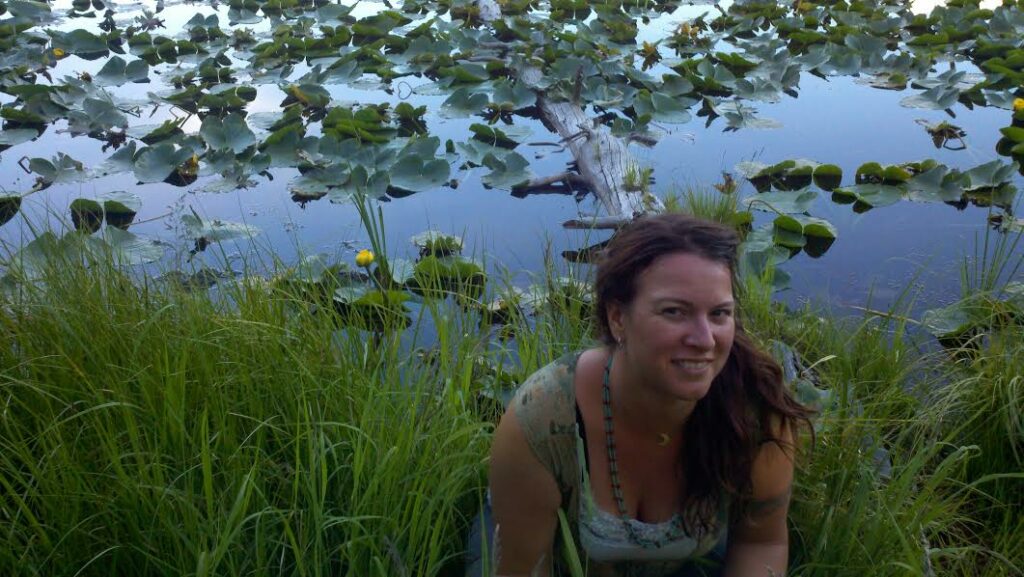
Find your OWN magical wild spaces to wildcraft!
Luck & Patience: Being in the right place at the right time
You may not always locate what you were hoping to find even after lots of time searching in the field. It may be that as much as you want it to be the right time, nature has other ideas. Pay attention, is the lack of a certain plant due to seasonal weather patterns, too much precipitation, temperature? Are you in the right elevation, or habitat? Is the plant ready for harvest? Is it ripe?
Why would we choose wildcrafted instead of garden-grown?
When we grow things in gardens, many times it is for food. To get the most out of the primary metabolites that feed us, we pamper the plants with fertilizer, pest management and other additives. Unlike those who garden for food, herbalists are more interested in the secondary metabolites of plants. These secondary metabolites offer protection against disease and predation in the wild and have been found to have medicinal applications. These metabolites may be aromatics or other constituents. It is thought that the more that plants have to fight to survive and adapt to variable water, too much sun or not enough, and disease, these factors may make their secondary metabolites and overall potency stronger than garden-grown plants. On the other hand, other arguments may be that some of the herbs that people are interested in harvesting are fragile and at risk of becoming endangered due to overharvesting. Make sure that you check United Plant Savers list of at risk and to watch plants before gathering them from the wild.
In general, any plant that is listed as endangered or threatened by the state you are in should not be harvested out of the wild.
Determining Health and Amount
How do you know if it’s healthy? Choose locations that you know the history of. Was there a dump there? Is there runoff? Have pesticides been applied after a logging operation? Do your due diligence to understand the history of the land you are on. Effluent and nitrogenous waste can create lovely-looking plants, that could be dangerous to gather. Regular visits to the land at different times of the year can help you to understand what is normal and healthy for that area.
How much should I take? This is a loaded question. How much do you need? Gathering for the sake of gathering can feel exciting at the moment but then lead to feeling guilty and second-guessing your harvest. Harvest as much as you feel you will use that year, until the plant becomes available again. If you gather several years worth, then your medicine sits in a jar, and you don’t get to have the exciting adventures of gathering. Many people may have heard that there is a percentage of plants when wildharvesting. This is not correct. How much you gather has more to do with the time and place and situation. Is the area about to be mowed down and turned into apartments? Do you have permission being on the land you are on? In general, you should leave no trace that you were there, and make sure that your impact is minimal, unless the area is in question due to development or other reasons. You gather what you need if the stand is large enough that your impact is minimal, if not helpful and encourages more growth.
Intention
The more you put into your search, gathering, and extracts, the more you will get out. In the practice of Vitalism, it is believed that plants and other living beings have vital force–(that which animates and breathes life into a thing). The more we connect and tap into this vitality, the healthier we are and the more vital and potent our medicines are. We may connect on physical, emotional, and even spiritual levels. What we are doing, why we are doing it, and the clarity of our intention all work to make our wildcrafted wares more potent and effective. Pay attention and stay focused when gathering from the wild. This also keeps you safe.
Getting Permission and Forming Relationships
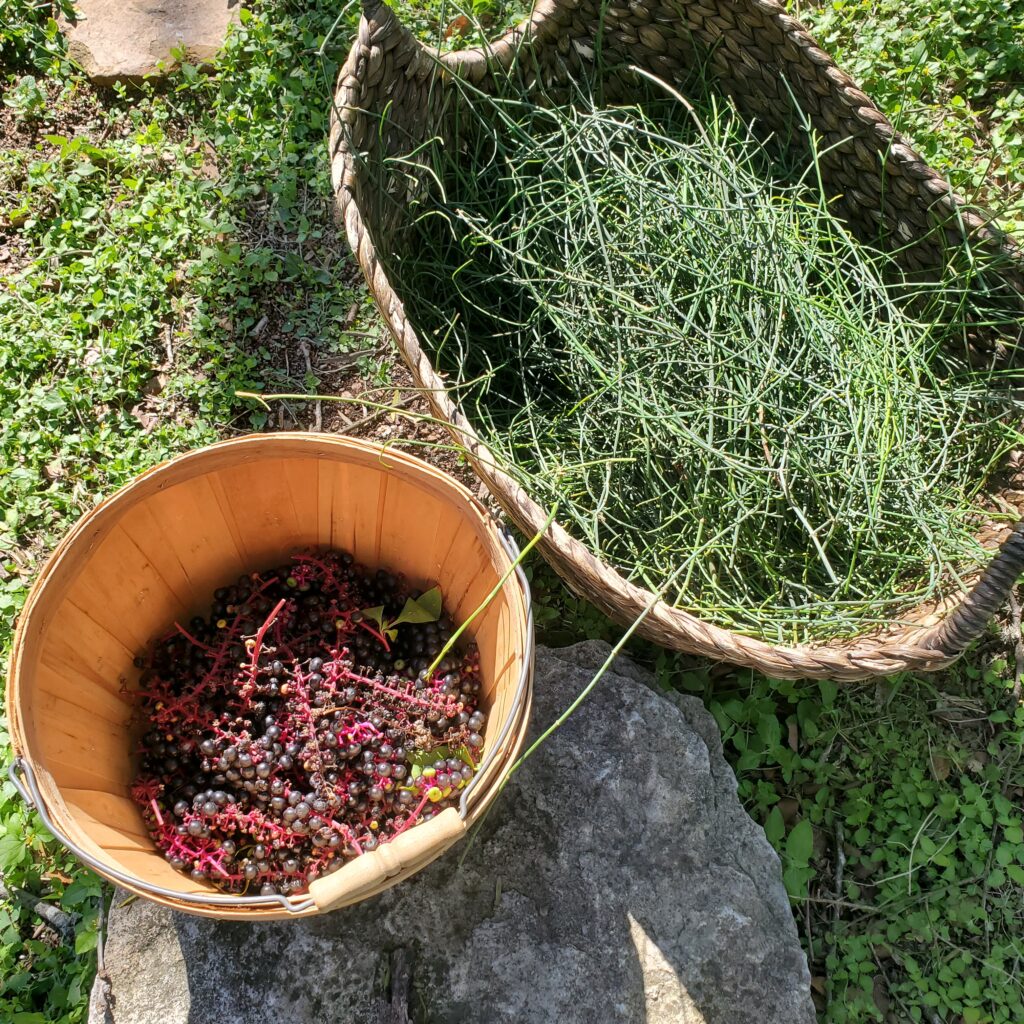
How exactly do you get permission? This can be a very personal, as well as legal, and even ethical decision. Some land is private, or owned by the county and gaining permission can be important before gathering. Some land is public, and it is considered that private gathering known as “incidental use” can be done within certain guidelines legally. You have to think about how it feels to gather. Are you ready? Many herbalists will sit with plants first and try to tune into them before making a decision about whether they feel that permission has been granted. You may feel like you need several years of observation before you do so, or you may feel completely comfortable with gathering something immediately. As long as you check in with yourself, (and others that may be tending the stands if possible), harvesting can be done with more confidence and more ethically.
Of even greater importance is whenever possible, cultivating relationships with indigenous practitioners. If you know an area is being stewarded by tribal members, it is essential that you get permission before harvesting. If you find out that you are in a space being managed, apologize and again let them know your intentions. If you are asked to leave, do so graciously. Always ask if you can be of service.
Peaceful Harvests
If you find an appropriate place and have permission, make sure you approach the practice of wildcrafting with your head in a positive place. When harvesting, stay focused on the intent of your harvest and talk about positive things. You may even think of the medicinal extract or the person or people you would like to serve with this harvest. No gossiping! Some herbalists feel that plants enjoy rhymes, singing, and even just being talked to. Communication is key to being in alignment with harvesting
Should you use tools and gloves? This really depends! Some people want their bare hands on the plants in order to feel more connected to the practice. Some plants can sting or prick. How you dress and whether you use tools depends on you and your comfort level. My advice is, don’t underestimate the protective measures plants have. Thorns, stinging hairs, and toxic exudates can hurt!
Reminders for Harvesting in the Field
Not only is it important to think about how much you need and what an appropriate amount will be but whether or not you have the tools and supplies to harvest in the field. Make sure you have ways to carry, chop, and process plants in the wild, as well as containers, solvents, and plant id books. Many times, I have a crate of supplies I carry with me, and a first aid kit. It’s better to be prepared and not need something than not have it and miss an opportunity.
Sustainable Harvesting and Reciprocity
After all of these considerations, there are a few general practices to keep in mind when gathering. You are a guest when visiting wild spaces. The wilderness is not a free store to pillage at will. There are checks and balances that keep ecosystems healthy, and humans have the tendency to alter this balance, even unintentionally. I do not know any wildcrafters that would intentionally harm a wild space or plants, but I have seen places and plants that are damaged from improper harvesting.
I will reiterate, leave no trace. No one should be able to tell you were there. Leave the area in better condition than you found it. What can you do to leave the area more healthy? Can you pull invasive species? Pick up trash? Can you offer some water to parched root systems? Can you scatter seeds or replant root crowns?
Sometimes we hear about leaving offerings. This practice stems from certain cultural practices that may or may not make sense. Some people leave prayers, other traditions leave tobacco. Consider critically thinking about this. Is the offering you are leaving organic? Is it biodegradable? Are you culturally appropriating? Does the offering have chemicals or is it non-native and could it harm the land? Think about what the plant stand or area could benefit from.
Harvesting should be done from the heart and the head
What are some things that are particular to different bioregions when learning about the wildlands?
- Every bioregion has its own particular nuances when it comes to locating, harvesting, and etiquette. A couple of things that you need to get used to and familiarize yourself with:
- Understanding the indigenous roots of this area, who are the original stewards of the land you are visiting?
- The terrain. Learn about elevation, Western versus Eastern sides of the mountains, coastal influences, how water flows and is a part of the landscape, how fire shapes and reshapes the land, sharing trails and wildland with others. Learn to read maps and follow compasses.
- Learn patterns of the area: movements through the seasons, regular climactic events, how plants start unfold and what blooms follow what
- Who are our endangered plants and animals to look out for? Are there any sensitive critters or plants to watch out for?
- What are the toxic and invasive plants in the area? Hemlock, Scotch Broom, and Herb Robert are either toxic and or invasive.
Legalities around Harvesting
Permission: Do you have it? Here are a few guidelines with regards to different areas and harvesting.
National Forests Check with your local Forest Service for topographical maps and locations where plant harvesting is allowed. Cultivate a friendly relationship with them, and they’ll often show you on the maps where to safely go, and what to expect while on the land.
Private land. Always check with the owners before entering private spaces and harvesting. Many times the owners are thrilled to have someone interested in their land and even may want to learn or obtain some extracts from you.
State Parks. Look up the regulations for harvesting from parks in your state. Rules can vary from state to state and park to park, so it’s best to know for sure what is allowed.
Department of Natural Resources Normally, on DNR land, there is typically a one gallon per day limit, That is not per plant, but total plant material of all plants harvested. Up to 3 gal per day for berries.
Bureau of Land Management You can generally harvest forest products in reasonable amounts for personal use without a permit unless otherwise posted.
Department of Fish and Wildlife Some WDFW lands allow personal harvest of specific forest products without a permit, but be sure to contact the before you harvest.
National Parks: free harvest permits may be required for personal use. Check with local ranger district. Most berries do not require a permit and you can harvest up to a gallon per person.
Food Forests- read posted signs about local regulations.
Safety
Know and avoid your local toxic and poisonous plants! Do not harvest (especially don’t harvest roots!) near where poisonous plants are growing (such as false hellebore, poison hemlock or water hemlock).
Know your protected, threatened or endangered plants. Check out United Plant SaversLinks to an external site. for the most up-to-date, reliable information on the “do not pick” lists!
When going into wild areas, have a buddy. If you find yourself alone, leave a note at your car when you left and where you were going. Keep a first aid kit with you, medications, extra water and snacks and a way to call for help. Learning how to navigate with a compass, carrying a flashlight, and wearing appropriate clothing is essential. Take primitive skills, wilderness first aid, and other first aid courses so that you know how to stay safe.