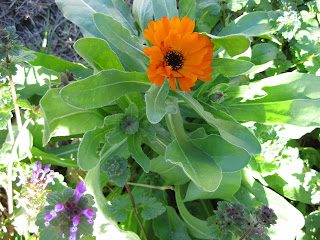
by wildflowerscho | Apr 30, 2011 | Herbs, Library, Texas, Bioregional Herbalism
Calendula officinalis The word calendula comes from the Latin calens (the same root as calendar), meaning the first day of the month, because the Romans thought that this was when the plant bloomed. Family Asteraceae Description: Annual flower that does best in...
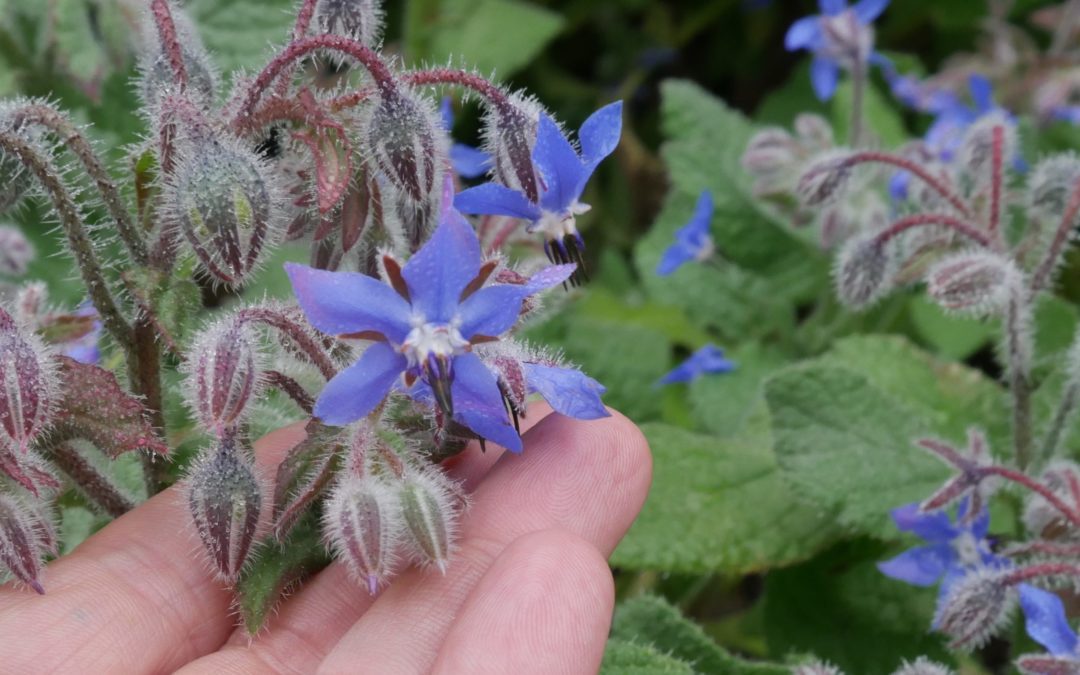
by wildflowerscho | Apr 30, 2011 | Bioregional Herbalism, Herbs, Texas, Library
Latin: Borago officinalis in the Boraginaceae Family It is thought that the name may be derived from the latin word corrago, “cor” meaning heart and ago meaning “I bring” in old French Bourra means wool or hair Borage isnative to the...
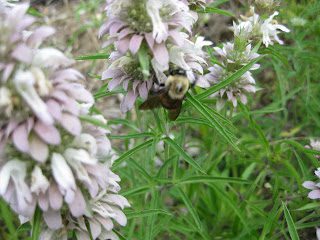
by wildflowerscho | Apr 30, 2011 | Library, Texas, Bioregional Herbalism, Herbs
Name: Bee Balm, Margaret’s Herb, Wild Oregano, Wild Bergamot Bee Balm’s official latin name is Monarda, named after Spanish botanist Nicolas Monardes. There are several species growing in Central Texas and around the Southwest Description: Bee Balm is a...

by wildflowerscho | Apr 30, 2011 | Library, Texas, Bioregional Herbalism, Herbs
Aloe, also known as lily of the desert From the word alloah meaning bitter Family: it is Listed as being in several families, most commonly Aloeaceae, Description: Aloe is a Perennial, stemless, succulent plant (meaning its leaves hold large quantities of water)....
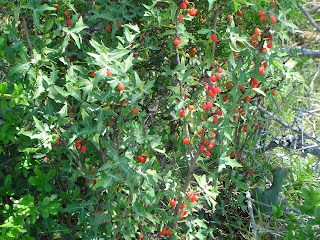
by wildflowerscho | Apr 30, 2011 | Library, Herbs, Texas, Bioregional Herbalism
Agarita’s official Latin name was Berberis/now Mahonia trifoliolata (don’t you love taxonomists!) and belongs to the Berberidaceae family of plants. Description: Evergreen, perennial shrub. Agarita is covered with spiny trifoliate bluish-green...
by wildflowerscho | Apr 18, 2011 | Herbs, Texas, Bioregional Herbalism, All
I was laying in bed last night reflecting on the weekend of outdoor herb classes I just taught. It is a real challenge to be outside with a group of excited aspiring herbalists in spring and remain positive in the midst of one of the direst springs I have ever...