by wildflowerscho | Jun 2, 2011 | Library, Herbs, Texas, Bioregional Herbalism
Plants as Medicine: Calming the Spirit with Albizia: “Albizia julibrissin (合欢) is a commonly used herb in Chinese medicine to calm the spirit. Both the flower and bark are used, and they are bo…”
by wildflowerscho | Jun 2, 2011 | Herbs, Texas, Bioregional Herbalism, Library
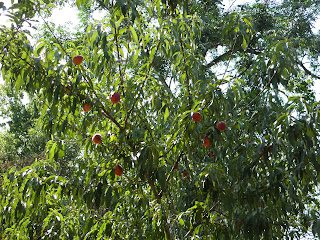
Peach Tree, or Amygdalus or Prunus persica is a non-native fruit tree well adapted to Texas and the South. Nothing tastes better than biting into a peach that is warm from the Texas sun, letting the explosion of juices drip down your face and grabbing another...
by wildflowerscho | Jun 1, 2011 | Library, Bioregional Herbalism, All
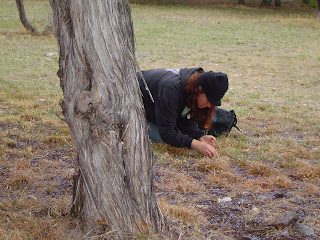
This is a time of Earth challenges, extremes, and disappearing wildlands. My path during this time is as a Herbalist, following the age-old tradition of collecting what grows around me and preparing it for myself and others to bring more balance to our...
by wildflowerscho | May 26, 2011 | Library, Herbs, Texas, Bioregional Herbalism
Hill Country Herbalist: A Great Way to use Prickly Pears and Be Healthy, t…: “Prickly pear cactus represent about a dozen species of the Opuntia genus (Family Cactaceae). In the Texas Hill Country, we see many of th…”
by wildflowerscho | May 26, 2011 | Herbs, Texas, Bioregional Herbalism, Library, All
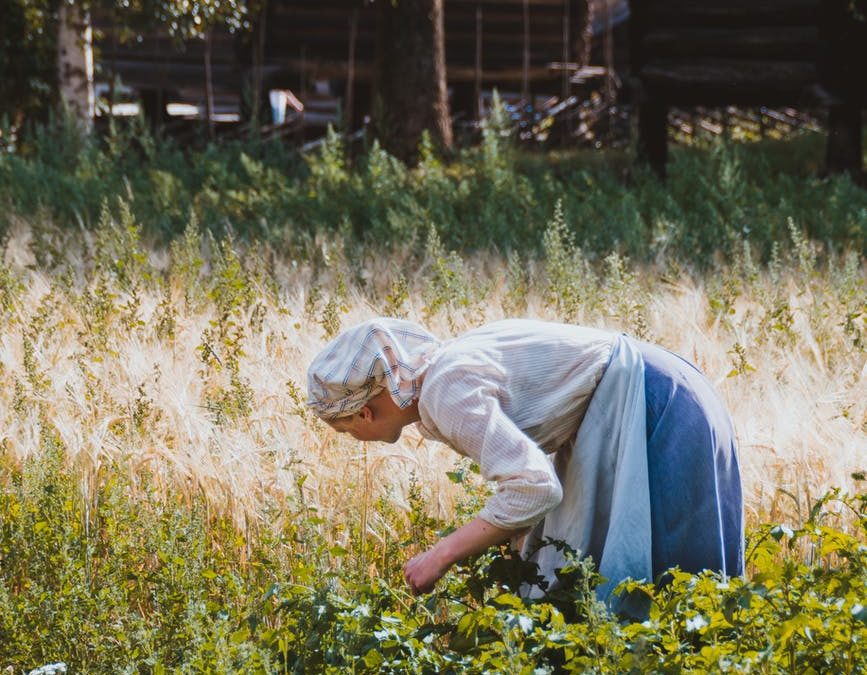
Originally Published for the Native Plant Society of Texas in 2009 Abstract: Wildscaping and wild cultivation of native plants offer areas for wildlife and habitat preservation. This article explores several native Texas plants that may be used in...
by wildflowerscho | May 26, 2011 | Library, Bioregional Herbalism, Herbs, Texas
Texas is weird. Growing and collecting plants is a hard call. The most influential factors for collecting plants in the wild are temperature, light, how much rain we’ve gotten, and vegetative zone. We have several vegetative zones meeting one another in Central...