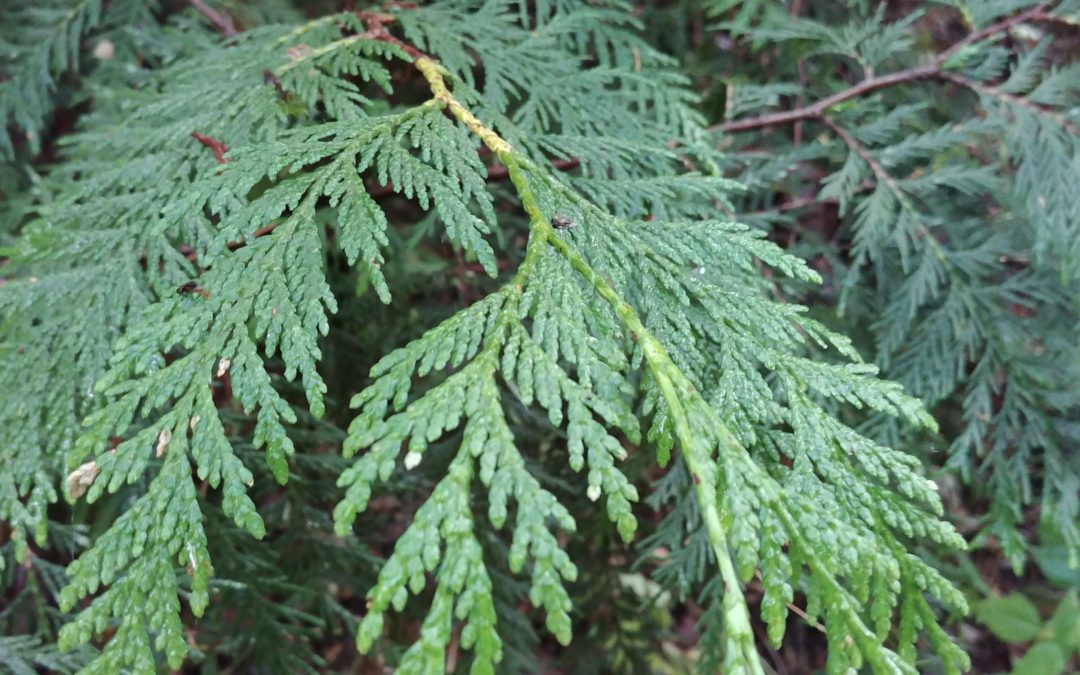
by wildflowerscho | Aug 12, 2019 | Herbs, Bioregional Herbalism, Uncategorized
The Pacific NW is a stunning and absolutely majestic bioregion. Think moss covered forests, mushrooms, big trees, drizzle, waterfalls, rivers, and breathtaking mountains. As a herbalist, it evokes a feeling of awe to see what happens in a bioregion that...
by wildflowerscho | Feb 8, 2019 | Herbs, Bioregional Herbalism
Dedicated to Dona Enriqueta Contrera-Gonzales, Herbalist and Midwife of Oaxaca Mexico Changing your perspective, using critical thinking skills and being a thoughtful opportunist This is a time of extreme challenges and changes on Earth. Wildlands and wild things are...
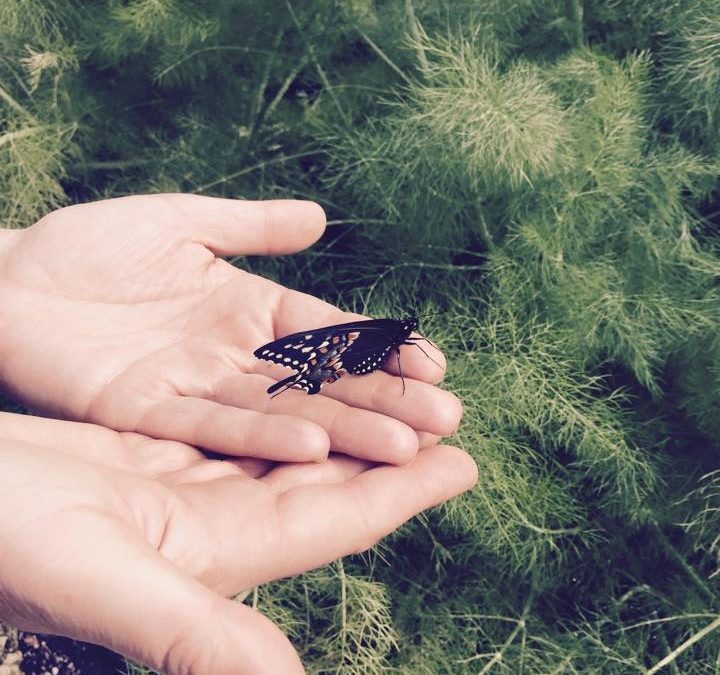
by wildflowerscho | Mar 30, 2018 | Bioregional Herbalism, All, Library
When I first began forming relationships with plants, I fell in lust with the idea of being able to identify and harvest wild plants. In the mid 90s, I decided to wholeheartedly pursue this passion. Since then, I sought out teachers all over North America to teach me...
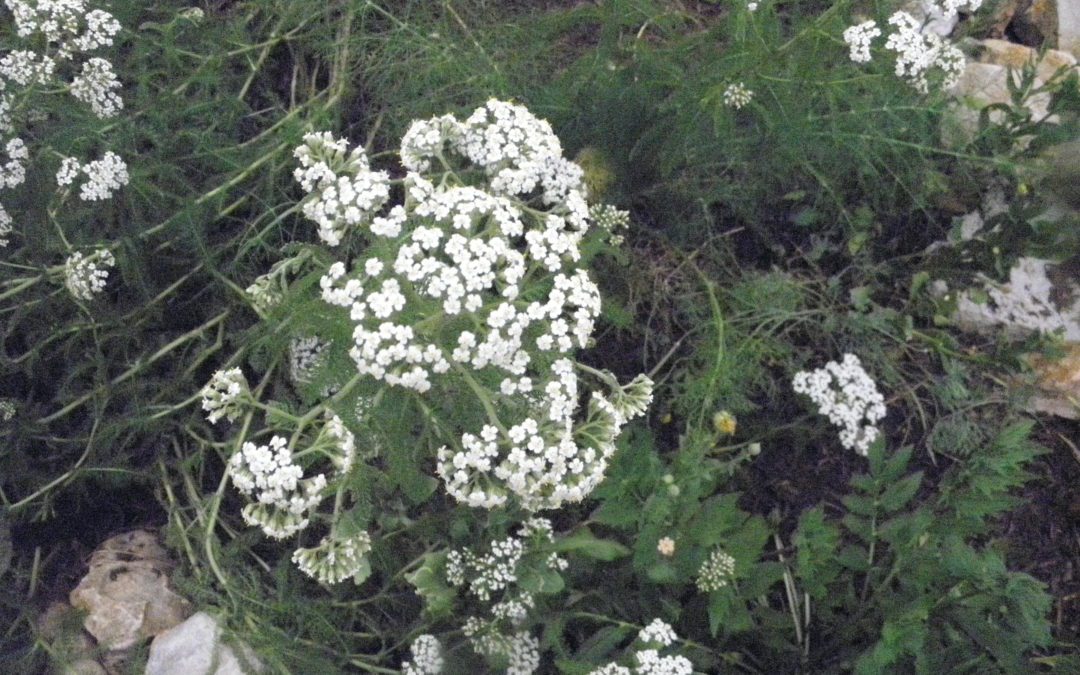
by wildflowerscho | Nov 26, 2015 | Herbs, Bioregional Herbalism
~Eli Young 2015 Dear Yarrow, You are an old friend in your ubiquity. Following my travels from shore to shore, I feel we walk a similar road. I hear your name from the annals of Greece and England, India and China. Named millefolium for the apparent million leaves and...
by wildflowerscho | Nov 26, 2015 | Library, Herbs, Texas, Bioregional Herbalism
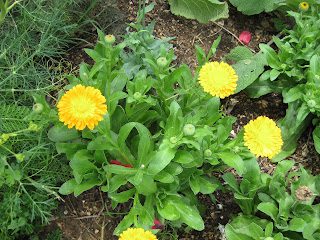
Calendula officinalis Calendula officinalis, also known as marigold, pot marigold, marybud, poor man’s saffron, or flor de muerto (just to name a few), is in the Asteraceae (formerly known as Composite) family 1. A native to Europe, the name Calendula derived...
by wildflowerscho | Nov 26, 2015 | Bioregional Herbalism, Herbs, Texas
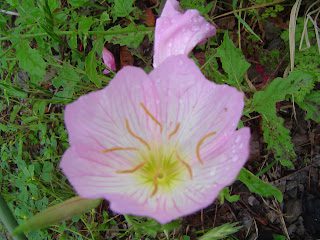
“It is that in a dark night, when no objects can be distinguished at an inconsiderable distance, this plant, when in full flower, can be seen at a great distance, having a bright white appearance, which probably may arise from some phosphoric properties of the...