by wildflowerscho | May 24, 2011 | Library, Herbs, Texas, Bioregional Herbalism, Remedies
Poison Oak and Gumweed
by wildflowerscho | May 23, 2011 | Library, Texas, Bioregional Herbalism, Herbs
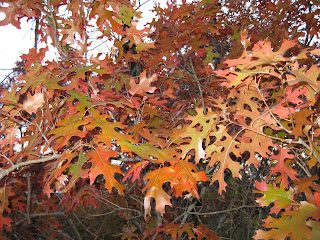
Oak , or Quercus sp in the Fagaceae Family of Plants. The word is of unknown origin. Oaks are perennial tall and stout trees. Of the 100s of species, several are native to Central Texas. They can be evergreen or deciduous and form dry...
by wildflowerscho | May 23, 2011 | Library, Texas, Bioregional Herbalism, Herbs
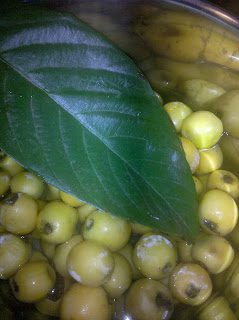
The official latin name for loquats is Eriobotrya japonica the name meaning literally “reed orange”). more commonly known as pipa from the resemblance of its shape to that of the Chinese musical instrument It is in the in Rose or Rosaceae family. Loquats...
by wildflowerscho | May 23, 2011 | Library, Bioregional Herbalism, Herbs, Texas
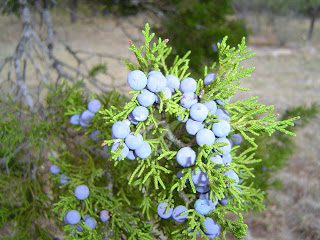
Juniper’s official Latin name is Juniperus. In Central Texas, this plant is commonly called Cedar. The trees in the Northwest and Northeastern U.S. called cedar are not the same genus. The name juniperus is somewhat ambiguous as far as meaning but it...
by wildflowerscho | Apr 30, 2011 | Library, Bioregional Herbalism, All, Herbs, Texas
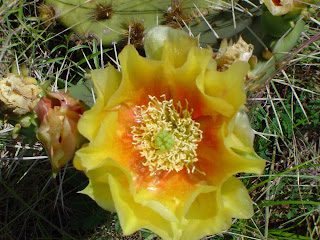
Prickly Pear’s official latin name is Opuntia. This is a large grouping and there are about a dozen species of opuntia that are referred to as prickly pears, with several species growing in our area. European explorers had never seen anything even remotely...
by wildflowerscho | Apr 30, 2011 | Library, Herbs, Texas, Bioregional Herbalism
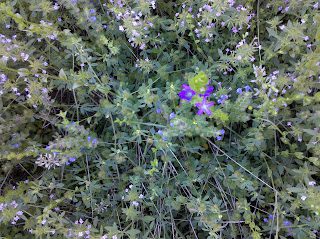
Hedeoma or American pennyroyal.–pictured here is hedeoma, skullcap and venus looking glass. The pinkish tops are the hedeoma Pennyroyal is said to be from Latin puleium, or pulegium regium (so called as being good against fleas), do not confuse with the...